
What MS4 (and NPDES) Actually Means—and Why It Matters
Before getting into why this matters, it helps to take a step back and define what we’re even talking about.
MS4 stands for Municipal Separate Storm Sewer System. In simple terms, it’s the system of catch basins, storm drains, pipes, and outfalls that carry rainwater away from roads and neighborhoods.
NPDES is the National Pollutant Discharge Elimination System, the federal program that regulates what gets discharged into our waterways. MS4 permits fall under NPDES and require municipalities to actively manage and reduce pollution in stormwater runoff.
While it may sound like just another regulatory acronym, it’s directly tied to how communities protect water quality, maintain infrastructure, and stay in compliance with state and federal requirements.
It Helps Keep Your Community Clean and Safe
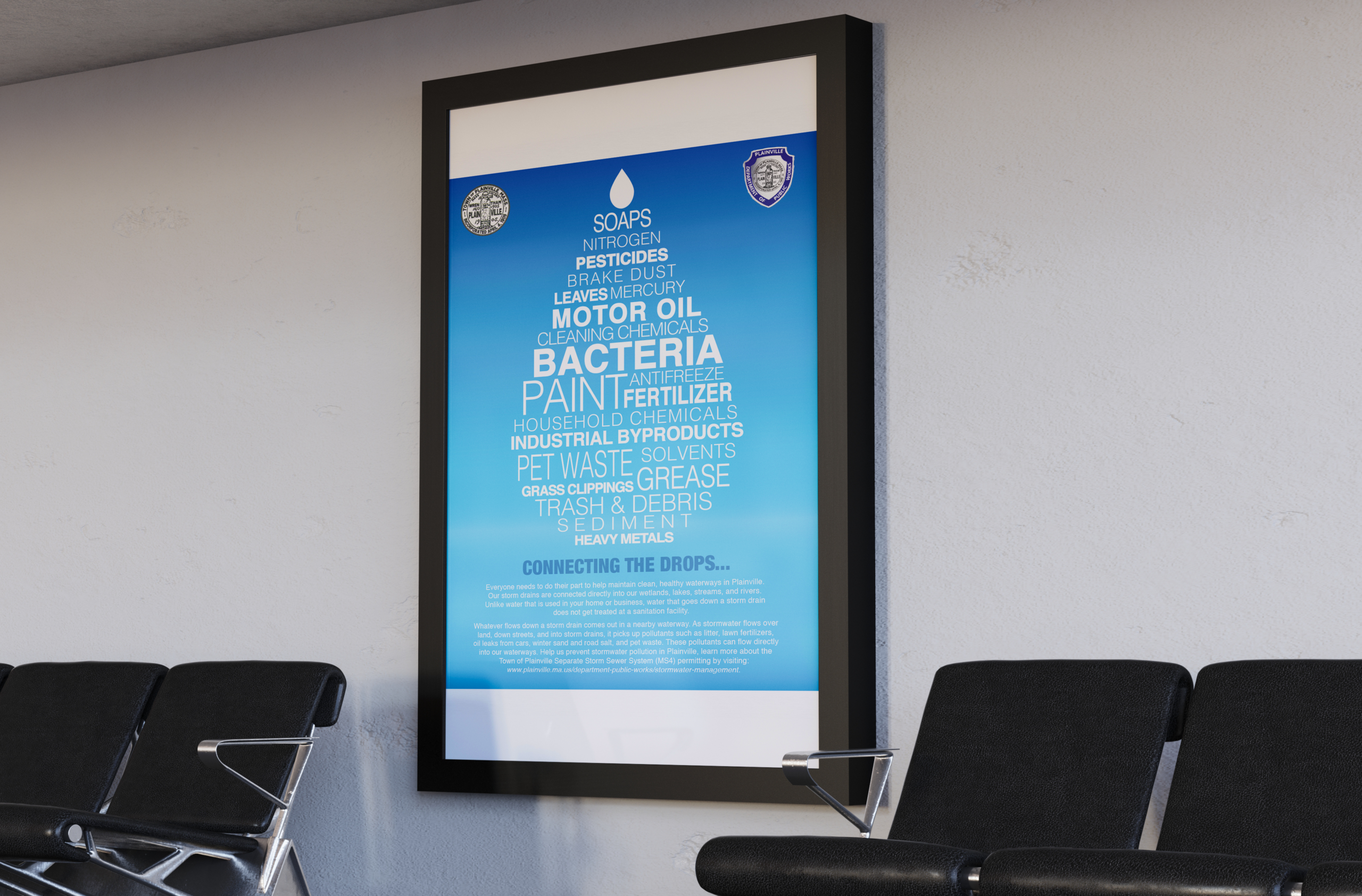
Stormwater runoff picks up everything—oil from roads, pet waste, trash, fertilizers—and carries it straight into local waterways. Unlike wastewater, stormwater isn’t treated before it gets there. So whatever goes down a storm drain goes directly into rivers, lakes, and streams.
MS4 programs are really about reducing that impact. Things like identifying illicit discharges, keeping catch basins clear, and encouraging better everyday habits all add up. At the end of the day, it’s about protecting your environment and public health in a very real, visible way.
It Can Save You Money in the Long Run
It’s easy to think of MS4 as just a regulatory burden, but it can actually help avoid bigger costs down the line.
Catching small issues early—like a blocked drainage system or an unnoticed discharge—can prevent flooding, environmental damage, or expensive emergency repairs. Staying organized also makes a big difference when it comes to avoiding fines or scrambling during inspections.
It Keeps You Ready for Inspections and Audits
A big part of MS4 is documentation. It’s not just about what’s being done—it’s about being able to show it.
When everything is tracked and up to date, inspections tend to go a lot smoother. Without that, even good work can be hard to prove, which can create unnecessary stress when audits come around.
It Gets Departments Working Better Together
MS4 touches a lot of areas—DPW, engineering, administration, and even communications. While that can feel like a lot to manage, it usually ends up improving coordination across departments.
Over time, teams become more organized, communication improves, and there’s less of that last-minute scramble to pull everything together.
It Gets Departments Working Better Together
MS4 touches a lot of areas—DPW, engineering, administration, and even communications. While that can feel like a lot to manage, it usually ends up improving coordination across departments.
Over time, teams become more organized, communication improves, and there’s less of that last-minute scramble to pull everything together.
It Gives You a Chance to Educate Residents
Public education is one of the required pieces of MS4, but it’s also one of the most valuable.
Most people don’t think twice about stormwater. They don’t realize that storm drains aren’t treated, or that things like yard waste and everyday runoff can have a real impact on water quality.
Consistent, simple messaging can go a long way. Even small reminders—shared regularly—can change behavior over time and make a noticeable difference.
A Regional Effort—You’re Not Alone in This
Municipalities aren’t tackling MS4 on their own. Across Massachusetts and Connecticut, regional groups are helping support stormwater education and outreach.
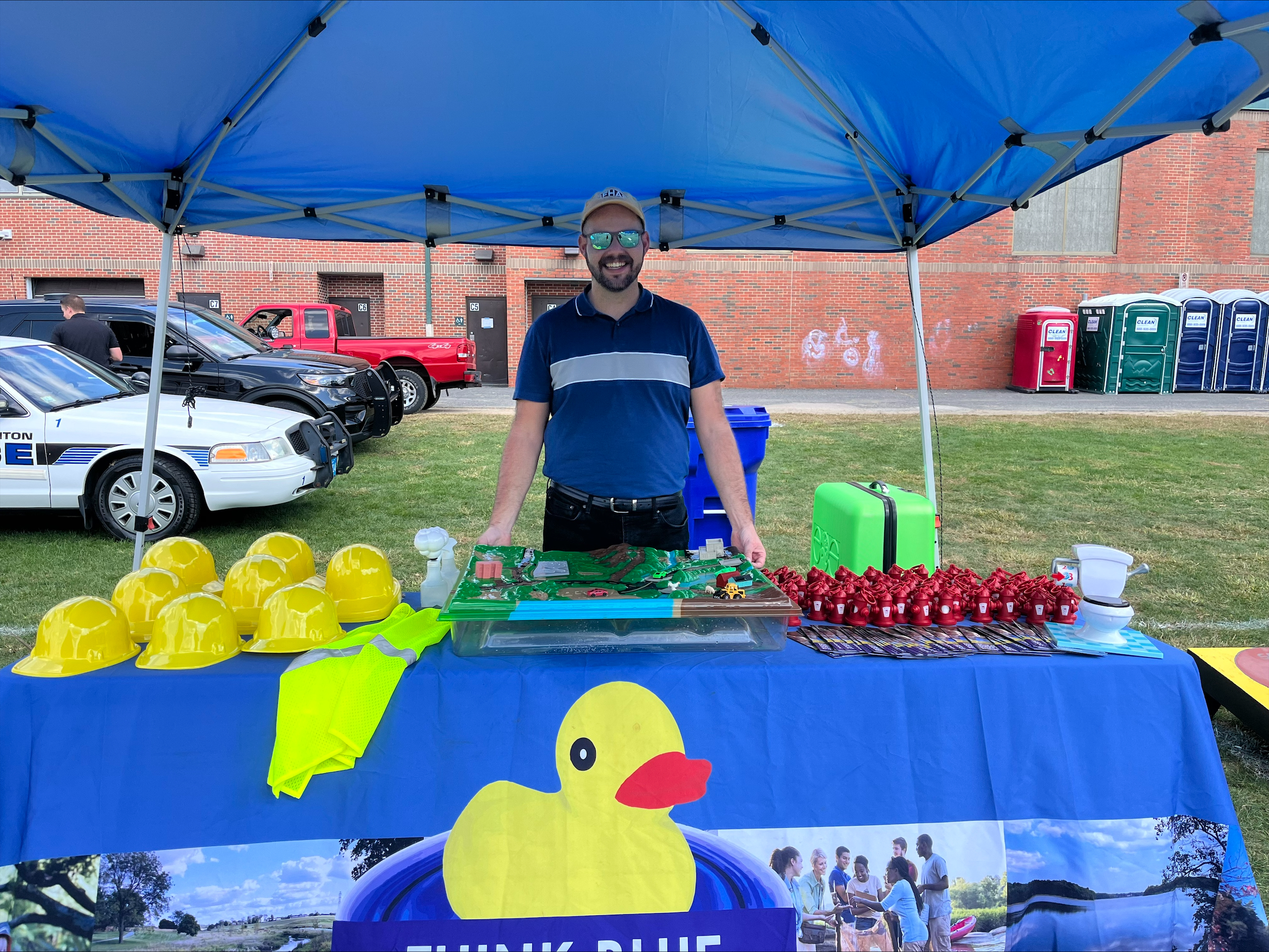
Organizations like Think Blue Central Massachusetts, the Central Massachusetts Regional Stormwater Coalition, and the Connecticut River Stormwater Committee provide shared messaging and resources that help reinforce the importance of stormwater management across multiple communities.
We’re proud to support these efforts by providing MS4 support and community outreach services for these organizations—helping develop consistent, effective messaging that communities can rely on.
This kind of regional approach makes outreach more recognizable and effective for residents, while still allowing municipalities to tailor messaging at the local level.
It Helps You Prepare for Bigger Storms
With more intense storms and unpredictable weather, stormwater systems are under more pressure than ever.
MS4 helps communities stay ahead of that by focusing on maintenance, planning, and long-term improvements. It’s not just about handling today’s rain—it’s about being ready for what’s coming next.
It’s More Than Just “Checking the Box”
The communities that get the most out of MS4 are the ones that don’t just treat it like a requirement.
When it’s done right, it helps you stay organized, avoid bigger issues down the line, and build systems that actually work. It also helps create a cleaner, healthier community—which is really the whole point.
At the end of the day, MS4 compliance isn’t just about meeting a requirement—it’s about doing things better.
You Don’t Have to Do It All Yourself
One of the biggest challenges with MS4 is keeping up with outreach and posting consistently. It’s usually one of the first things to fall off the list when things get busy. That’s where we can help.
At Capital Strategic Solutions, we work with municipalities to take that piece off your plate. We create ready-to-use monthly content, make sure it aligns with MS4 requirements, and tailor it so it actually fits your community. It keeps everything consistent, organized, and easy to manage—without adding more to your team’s workload.
About Capital Strategic Solutions
Capital Strategic Solutions (CSS) is a certified woman-owned, disadvantaged business enterprise specializing in innovative, cost-effective solutions for local governments. Backed by a multidisciplinary team of municipal experts, CSS offers tailored services in public administration, finance, HR, emergency management, public safety, public works, communications, project management, grant administration and interim staffing—helping communities minimize risk and maximize success.