
How MS4 Compliance, Construction, and CIP Planning All Come Together
When winter gives way to warmer weather, municipalities across the country enter one of the busiest and most visible times of the year. Roads are repaved. Drainage systems are upgraded. Water and wastewater projects move forward. Capital Improvement Plan priorities shift from planning documents to active procurement, construction, and public impact.
Regulatory requirements continue moving at the same time. MS4 obligations, stormwater controls, grant deadlines, procurement requirements, reimbursement tracking, resident communications, and construction oversight all require attention during an already demanding season.
For local governments, spring project season is not just about getting work done. It is about coordinating the technical, financial, regulatory, and public communication pieces that help infrastructure projects succeed.
 What Is MS4, and Why Does It Matter During Construction Season?
In case you didn’t know, “MS4” stands for Municipal Separate Storm Sewer System. In simple terms, it refers to the network of catch basins, storm drains, pipes, ditches, and outfalls that carry stormwater away from roads, neighborhoods, municipal properties, and developed areas. Under the National Pollutant Discharge Elimination System (NPDES), many municipalities are required to manage stormwater runoff and reduce pollutants entering local waterways.
Spring is a critical time for MS4 compliance. Rain events increase. Winter sand, salt, and debris wash into drainage systems. Construction activity disturbs soil and creates new opportunities for sediment, pollutants, and runoff to enter the stormwater system.
MS4 compliance is not simply a reporting exercise. It connects directly to public works operations, construction management, environmental protection, resident education, and long term infrastructure planning.
Our team has written more about this broader view of stormwater work in Why MS4 Compliance Is More Than Just a Requirement, including how MS4 programs can help communities protect water quality, prepare for inspections, improve coordination, and educate residents. In practice, that kind of support can give municipalities stronger systems, clearer messaging, and more consistent documentation before compliance deadlines arrive.
 CIP Season: Turning Plans into Projects
Capital Improvement Plans help municipalities identify, prioritize, and fund long-term infrastructure needs. Spring is often when those plans become real projects with real timelines, real costs, and real community impacts.
A well-executed CIP requires more than a list of projects. It requires alignment between public works, engineering, finance, procurement, administration, consultants, contractors, and elected or appointed officials. It also requires a clear understanding of funding sources, rate impacts, regulatory requirements, and asset management needs.
This is especially important for water, wastewater, stormwater, road, and facility projects. These systems are expensive to maintain, highly regulated, and essential to everyday life. When rate analysis, asset management, grant strategy, and capital planning are connected early, municipalities are better positioned to make responsible decisions and avoid reactive, costly fixes later.
Read our blog on Why Water and Wastewater Rate Analysis Is Crucial to Capital Improvement and Asset Management Planning. Rate analysis helps communities understand whether current revenues can support immediate needs, future capital projects, and evolving regulatory requirements without creating avoidable financial strain.
 The CSS Approach: Connecting the Dots
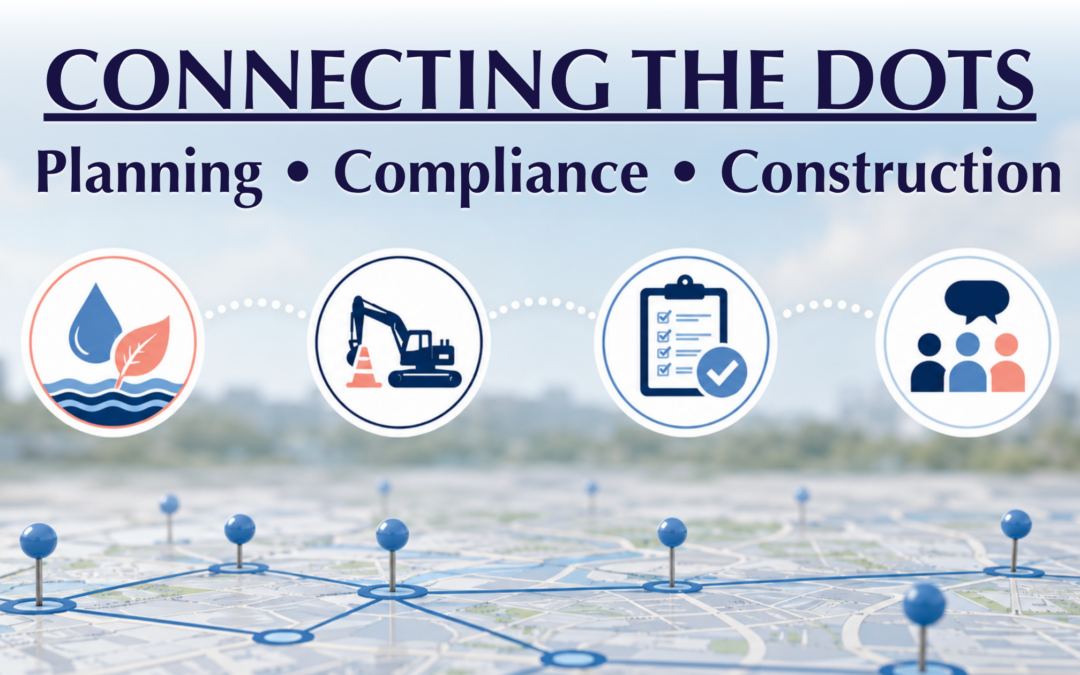
Our team helps municipalities bring structure to busy project seasons by connecting the pieces that often move separately: compliance, construction oversight, capital planning, grant management, public outreach, and day-to-day municipal operations. That support can include MS4 public education, stormwater and water infrastructure communications, construction impact notices, project updates, project websites, stakeholder coordination, grant tracking, reimbursement support, CIP coordination, public inquiry management, compliance documentation, and strategic communications for complex infrastructure projects.
This cross-functional approach helps communities stay organized, reduce risk, improve transparency, and keep projects moving. For example, in Weston, Massachusetts, CSS supported outreach for the Route 30 Reconstruction Project by updating project information, developing website FAQs, and creating a direct mail piece that reached residents ahead of Town Meeting. That work, highlighted in Project Spotlight: Town of Weston Route 30 Reconstruction Project Outreach, reflects how thoughtful communication can help communities move important infrastructure projects forward with clearer information and stronger public understanding.
 Construction Season: Compliance Does Not Stop When the Shovels Start
Active construction projects can create some of the highest stormwater compliance risks a municipality faces. Disturbed soil, stockpiled materials, open trenches, equipment staging areas, and changing site conditions all require careful attention.
Municipalities need to make sure Stormwater Pollution Prevention Plans are current where required, erosion and sediment controls are properly installed and maintained, site inspections are documented, and contractors understand their responsibilities before work begins.
These requirements become more complicated when projects involve multiple departments, contractors, funding sources, or phases. A road project may involve drainage improvements. A utility project may affect traffic, businesses, and residents. A grant funded project may carry additional reporting and reimbursement requirements. One missed step can create delays, confusion, or compliance concerns.
Strong construction season management requires coordination before crews arrive in the field. CSS has also emphasized this point in Preparing for Construction Season: Why Planning and Communication Matter More Than Ever. Early coordination across public works, engineering, finance, administration, and communications helps communities reduce delays, manage resident expectations, and maintain public confidence during visible infrastructure work.
 Public Communication Is Part of the Infrastructure Work
Residents may not always see the planning, permitting, grant administration, inspections, or compliance documentation behind a project. They do see road closures, detours, noise, traffic delays, rate discussions, construction notices, and changes in access. That is why communication is part of infrastructure work.
Clear, consistent communication helps residents understand what is happening, why it matters, when impacts are expected, and where to go for updates. It also helps municipal staff reduce confusion, manage expectations, and build trust during projects that may be disruptive but necessary.
Public education is also a major part of MS4 and water infrastructure work. Whether the topic is stormwater pollution, water conservation, lead service line inventories, construction impacts, or long-term system investment, communities are more likely to support infrastructure decisions when they understand the purpose behind them.
CSS has supported communities with water quality communication, conservation outreach, MS4 education, lead service line inventory messaging, consumer call centers, construction hotlines, and grant or State Revolving Fund support. Water Accessibility Starts with Informed Communities speaks to the importance of helping residents understand how infrastructure decisions connect to affordability, public health, regulatory requirements, and long-term community resilience.
What Municipalities Should Be Reviewing Now
For communities entering a busy construction and infrastructure season, now is the time to ask:
- Are MS4 annual reporting obligations, documentation, and public education activities up to date?
- Are active and upcoming construction projects prepared for erosion control, inspection, and documentation requirements?
- Are CIP timelines realistic, especially for procurement, design, permitting, construction, and grant reimbursement?
- Are residents, businesses, and stakeholders receiving clear information before disruptions begin?
- Are project websites, email lists, social media updates, hotlines, and other communication tools ready?
- Does municipal staff have the capacity to manage compliance, construction, grants, and public communication at the same time?
The earlier these questions are addressed, the easier it is to avoid surprises once construction activity accelerates.
Let’s Talk
Spring project season moves quickly, with MS4 deadlines, active construction schedules, grant requirements, procurement timelines, and public communication needs often overlapping when municipal staff are already stretched thin. CSS helps communities bring structure to that busy season through compliance support, construction outreach, CIP coordination, grant management, and public facing communications that keep projects organized, residents informed, and requirements on track. Earlier coordination makes it easier to avoid surprises, identify capacity gaps, and give infrastructure projects the support they need before schedules, deadlines, and public impacts begin to converge.
About Capital Strategic Solutions
CSS is a certified woman-owned, disadvantaged business enterprise of municipal experts delivering creative, cost-effective solutions that maximize success and minimize risk. With deep local government expertise, we craft tailored strategies to meet each community’s unique needs.
Our capabilities span public administration, municipal finance, human resources, policy development, emergency management, public safety, public works, water operations, interim municipal services, public relations, community engagement, project management, grant writing, and onsite support. We partner with clients to define clear goals, overcome challenges, and implement human-centered plans that drive performance and transform communities.