
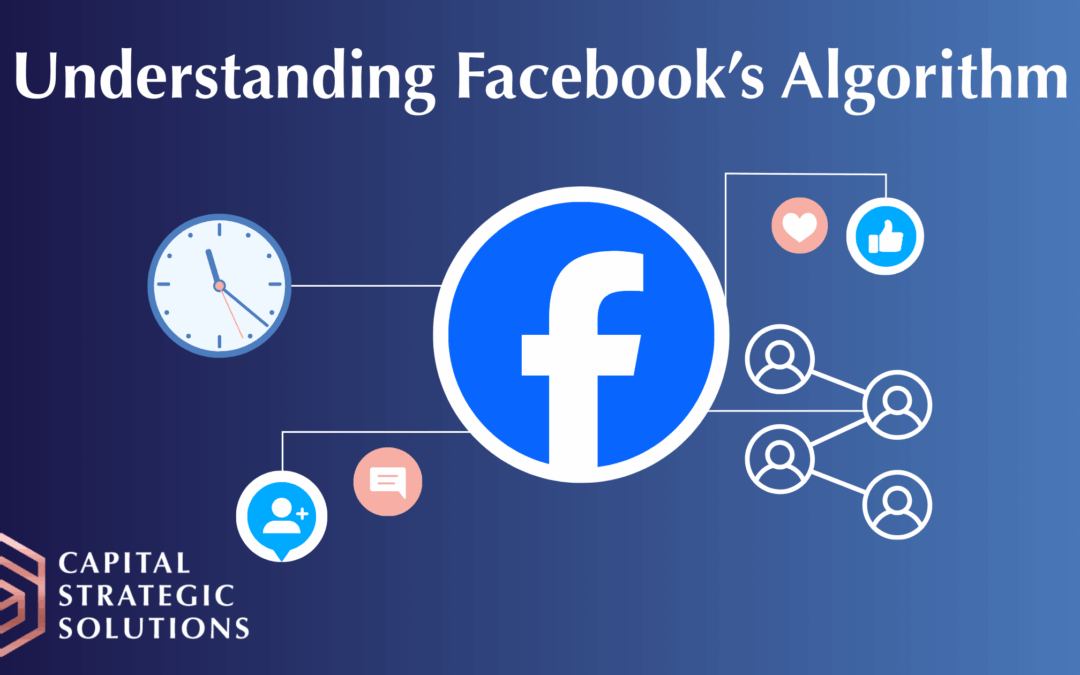
In today’s digital landscape, community engagement doesn’t happen only at the town hall, it happens online, too. Facebook remains one of the most widely used platforms for local governments, public works departments, and municipal partners to connect with residents, share information, and build trust. But to communicate effectively, it’s important to understand how Facebook’s algorithm works and how recent changes may impact the visibility of your content.
What Is the Facebook Algorithm?
Facebook’s algorithm determines what content appears in users’ News Feeds. Rather than showing every post from every page a person follows, the system prioritizes posts based on relevance and engagement patterns. This means that even if residents follow your municipal page, they may not see your updates unless the algorithm “recommends” them based on a set of ranking factors.
At its core, the algorithm aims to show users content that is informative, engaging, and personally meaningful — and that means understanding how Facebook measures those elements.
Recent Changes You Should Know
- Prioritizing Community Conversations
Posts that encourage authentic dialogue — such as questions, prompts for feedback, or issues that matter locally — are more likely to be elevated by the algorithm. - Reduced Organic Reach for Passive Content
Content that receives little interaction — particularly passive posts with only links or generic text — can be deprioritized. - Increased Visibility for Shared Experiences
Posts that prompt users to interact with each other (e.g., citizens sharing their views on local projects) can see better reach.
For municipalities, these changes mean that a broadcast-only approach (posting announcements without engagement) will often underperform compared to content that invites response, comment, or community participation.
Municipal leaders and communications teams can leverage these insights to improve reach and community impact:
- Write with Engagement in Mind
Instead of posting a bland announcement, ask a question:
“What’s one thing you’d like to see in next year’s budget?”
“How has the recent storm impacted your neighborhood?” - Use Native Visuals
Photos and short videos uploaded directly to Facebook tend to perform better than links directing users away from the platform. - Post Consistently & Timely
Frequent, relevant posts — especially about local events, alerts, and community resources — are more likely to be surfaced by the algorithm. - Respond and Moderate
When residents comment, respond! The algorithm takes note of reciprocal engagement, and others are more likely to see that thread.
For municipalities concerned with transparency, visibility, and equitable access to information, using Facebook thoughtfully can be a powerful complement to traditional outreach channels like newsletters, websites, and public meetings.
Facebook’s algorithm may shift over time, but its core objective remains give users content that matters to them. For municipalities, this means bridging the gap between government and residents through meaningful, engaging communication.
At Capital Strategic Solutions (CSS), we help public sector leaders navigate digital engagement strategies that align with best practices and algorithm dynamics. By crafting content that resonates, municipalities can expand their reach, deepen trust, and foster real community participation — online and off.
About Capital Strategic Solutions
Capital Strategic Solutions (CSS) is a certified woman-owned, disadvantaged business enterprise specializing in innovative, cost-effective solutions for local governments. Backed by a multidisciplinary team of municipal experts, CSS offers tailored services in public administration, finance, HR, emergency management, public safety, public works, communications, project management, grant administration and interim staffing—helping communities minimize risk and maximize success.