Across the country, municipalities are facing a familiar but intensifying challenge: doing more with less. Budget shortfalls—driven by inflation, reduced revenues, rising labor costs, and aging infrastructure—are forcing local governments to reevaluate core services. Among the most visible and essential of these is sanitation.
Trash collection may not always grab headlines, but it sits at the intersection of public health, environmental sustainability, and resident satisfaction. As financial pressures mount, communities are getting creative, strategic, and sometimes controversial in how they manage waste services—while also recognizing that how changes are communicated can be just as important as the changes themselves.
The Budget Crunch Meets the Curbside
Sanitation services are expensive to operate. Fuel costs, fleet maintenance, landfill tipping fees, and workforce expenses continue to rise. At the same time, many municipalities are constrained by flat or declining revenues. The result is a growing gap between the cost of providing traditional waste services and the funding available to sustain them.
Rather than simply cutting services, communities are rethinking both how services are delivered and how residents experience those changes.
Transitioning Service Models
One of the most common shifts is the move from fully municipally operated sanitation departments to alternative service delivery models:
Privatization and Contracting Out
Cities and towns are increasingly partnering with private waste management companies to reduce overhead, improve efficiency, and access modern equipment. These arrangements can offer cost savings, but require strong oversight to maintain service quality.
Regionalization and Shared Services
Neighboring municipalities are joining forces to create economies of scale, reduce duplication, and strengthen negotiating power with vendors and landfills.
Hybrid Models
Some communities are blending approaches—retaining control over certain services while outsourcing others—allowing flexibility while still managing costs.
Rethinking Collection Practices
Beyond structural shifts, municipalities are adjusting day-to-day operations:
- Moving from twice-weekly to once-weekly collection
- Implementing automated trucks to reduce labor costs
- Using route optimization software to cut fuel and improve efficiency
These changes can yield meaningful savings—but they also directly impact residents’ routines, making communication and support essential.
Pay-As-You-Throw: Driving Behavioral Change
Many communities are adopting Pay-As-You-Throw (PAYT) models, where residents pay based on the amount of waste they generate. This approach helps offset costs while encouraging recycling and waste reduction.
Communities that implement PAYT often see:
- Reduced landfill usage
- Increased recycling participation
- Greater awareness of consumption habits
However, these programs must be designed thoughtfully to address equity concerns and ensure affordability.
Sustainability as a Cost Strategy
Budget pressures are accelerating investments in sustainability. Expanded recycling, composting programs, and waste reduction efforts are not only environmentally responsible—they also help lower long-term disposal costs.
Strengthening Change Through Community Engagement
Operational improvements are most effective when paired with clear, consistent communication. By prioritizing proactive engagement, municipalities can build understanding, trust, and long-term support among residents.
CSS is helping communities navigate this process by providing strategic communications and resident support.
Our work includes:
- Developing clear, multi-channel communications plans
- Creating accessible service guides and FAQs
- Supporting rollout strategies to minimize disruption
Scaling Support with Call Centers
During transitions, resident questions often surge. Capital Strategic Solutions offers call center services that:
- Handle high inquiry volumes
- Provide consistent, accurate information
- Reduce strain on municipal staff
- Capture feedback to improve service delivery
Turning Communication into Confidence
By combining proactive outreach with responsive support, communities can reduce confusion, build trust, and ensure smoother transitions. Real-time feedback also allows municipalities to quickly adjust and improve.
Looking Ahead
Budget challenges aren’t going away—but communities are evolving. By modernizing service delivery and prioritizing engagement, municipalities can maintain essential sanitation services while staying fiscally responsible.
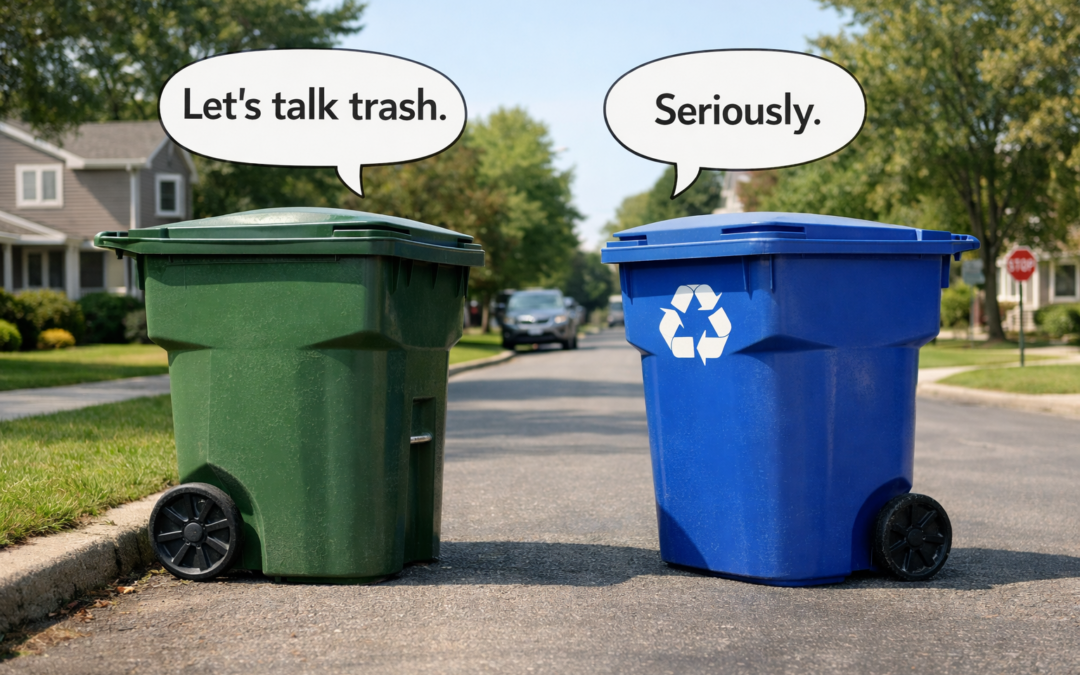
In the end, “talking trash” is about more than waste—it’s about how communities adapt, communicate, and move forward together.
About Capital Strategic Solutions
CSS is a certified woman-owned, disadvantaged business enterprise of municipal experts delivering creative, cost-effective solutions that maximize success and minimize risk. With deep local government expertise, we craft tailored strategies to meet each community’s unique needs.
Our capabilities span public administration, municipal finance, human resources, policy development, emergency management, public safety, public works, water operations, interim municipal services, public relations, community engagement, project management, grant writing, and onsite support. We partner with clients to define clear goals, overcome challenges, and implement human-centered plans that drive performance and transform communities.