
Local governments don’t just “have a website.” You run a digital front door for essential services, public meeting materials, emergency updates, permits, payments, project notices, and everyday information residents rely on. When that content isn’t accessible, people get left out of core civic life, and staff end up fielding more calls, more confusion, and more last-minute requests for alternate formats.
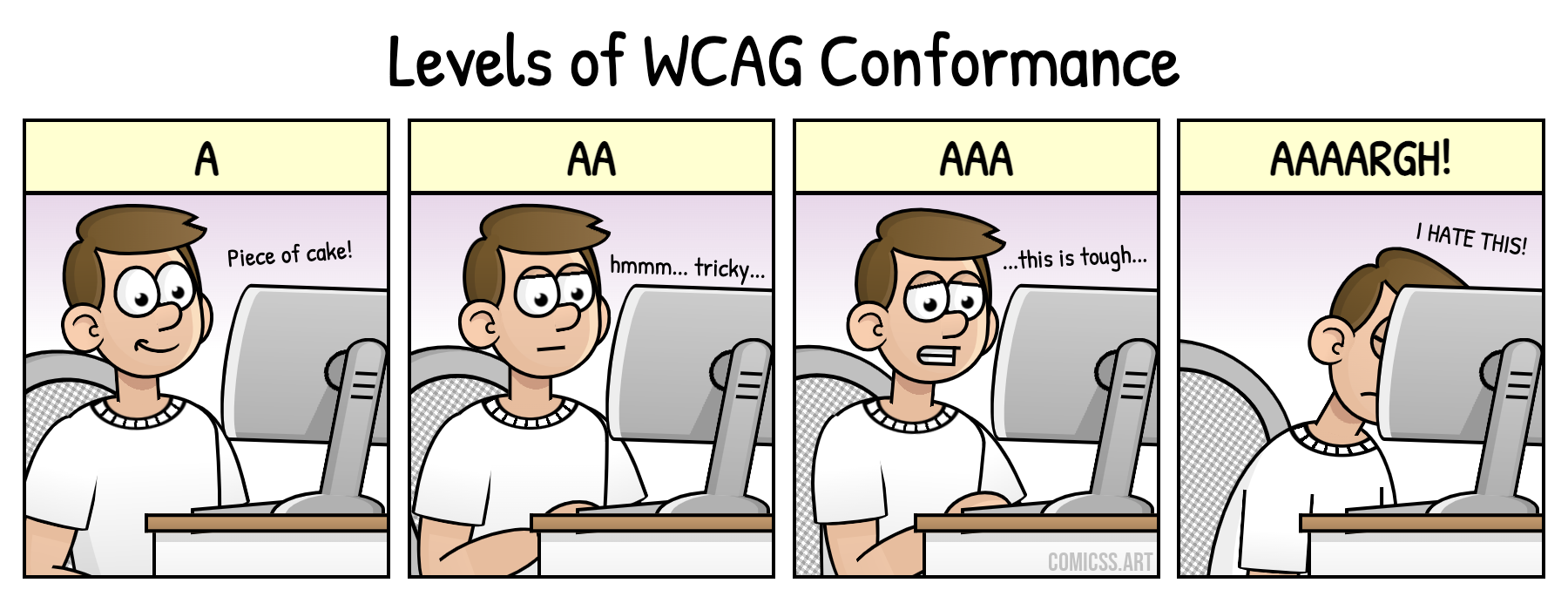
In 2024, the U.S. Department of Justice finalized an update to ADA Title II that makes digital accessibility explicit for state and local governments. In plain terms: if you’re a covered public entity, your public-facing web content and mobile apps must conform to WCAG 2.1 Level AA, with compliance deadlines tied to population size (often summarized as 2026 for larger communities and 2027 for smaller communities and special districts). The bigger story, though, isn’t the calendar date, it’s how much content most municipalities have accumulated over time.
The Part That Sneaks up on Teams
Many communities hear “web accessibility” and assume this is a one-time redesign. It’s usually a workflow issue. The risk lives in the everyday files and posts that keep government running: PDFs, scanned documents, meeting packets, images of flyers, embedded videos, and third-party tools that weren’t procured with accessibility requirements.
That’s why accessibility is as much an operations challenge as it is a compliance requirement. If a resident can’t access a meeting agenda with a screen reader, can’t use a permit form, or can’t follow a meeting recording without captions, the system isn’t serving everyone “as effectively.” When residents hit those barriers, staff feel it immediately, meaning more troubleshooting, more manual fixes, and more pressure right before deadlines and public hearings.
What “Compliance” Actually Touches
For most municipalities, the scope is broader than a homepage refresh. Accessibility typically includes:
- Documents: agendas, minutes, permits, reports, bids, notices (especially PDFs)
- Forms and portals: anything residents must use to apply, pay, report, or request service
- Meeting content: livestreams/recordings, captions, and supporting materials
- Public updates: posts that rely on images instead of real text (a common pitfall)
If you’ve ever posted a screenshot of a notice because it was fast, you’ve seen the problem: it might look fine visually, but it can be effectively invisible to assistive technology.
A Realistic Path Forward
The best approach is phased and practical, like any other municipal improvement plan. Start by understanding what you publish and what residents use most, then prioritize the content that carries the highest public impact and risk. From there, build standards that prevent new inaccessible content from piling up.
A simple sequence that works well is:
- Inventory the most-used pages, forms, and documents (and the tools your site relies on).
- Fix high-impact items first, public meeting materials, time-sensitive notices, and core service transactions.
- Standardize publishing with accessible templates and a “no screenshots as notices” norm.
- Update procurement language, so vendors share the accessibility burden going forward.
- Maintain periodic checks and staff training, so you don’t rebuild the same problem every year.
What this Means for Local Governments Right Now
If a community waits until the year before a deadline, accessibility becomes a scramble: hard to scope, hard to budget, and disruptive to day-to-day operations. If you start now, it’s manageable, and it becomes an opportunity to make digital services clearer, easier to use, and more resilient during emergencies.
How CSS Can Help
CSS helps municipalities turn accessibility requirements into an achievable plan: an audit that identifies risk and priority areas, a phased roadmap that fits real staffing and budget constraints, and practical templates/workflows so accessibility becomes routine, not a crisis project.
If your community is unsure where to begin, a short readiness assessment and roadmap are often the best first steps. It turns a looming mandate into a clear plan and ensures your digital front door is open to everyone.
About Capital Strategic Solutions
Capital Strategic Solutions (CSS) is a certified woman-owned, disadvantaged business enterprise specializing in innovative, cost-effective solutions for local governments. Backed by a multidisciplinary team of municipal experts, CSS offers tailored services in public administration, finance, HR, emergency management, public safety, public works, communications, project management, grant administration and interim staffing—helping communities minimize risk and maximize success.