
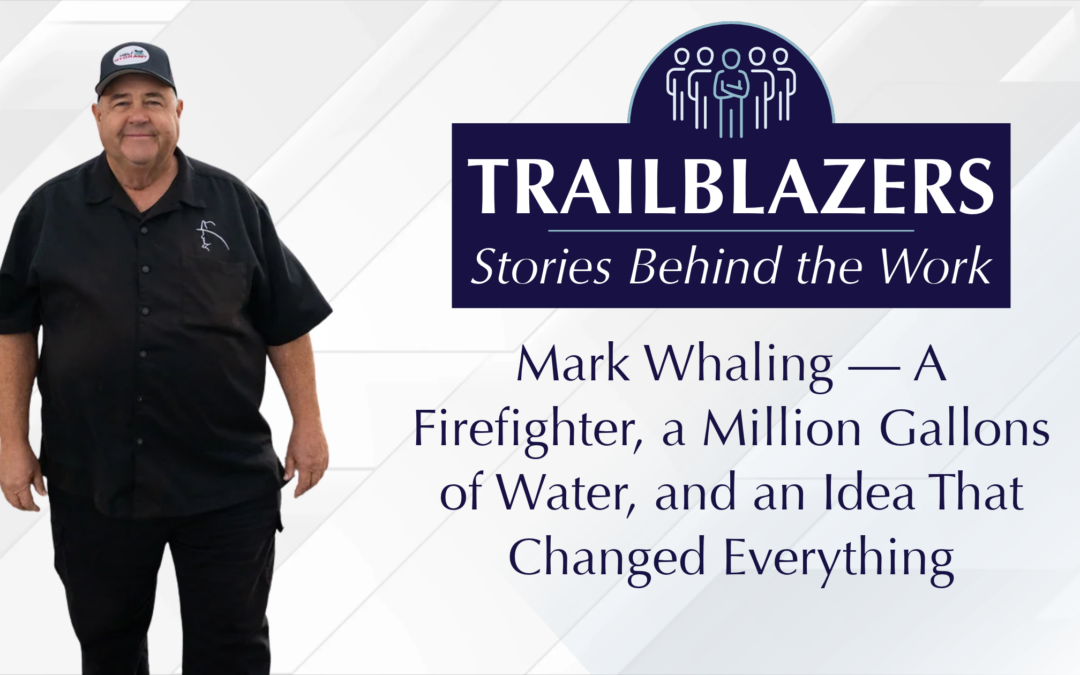
How one firefighter's experience inspired an innovative approach to wildfire response and community protection.
Some of the best ideas come from people who have spent their careers doing the work, experiencing challenges firsthand, and wondering why things can't be done differently. For Mark Whaling, a firefighter with more than four decades of experience, one of those moments came during California's 2010 Crown Fire, when he found himself standing beside a water storage tank holding approximately one million gallons of water while a helicopter fighting the fire had to leave the area to refill.
The water was right there, but there was no practical way for the helicopter to access it. For Mark, the situation raised a question that would stay with him long after the fire was extinguished: Why couldn't helicopters access water in much the same way firefighters on the ground rely on hydrants?
That question eventually led to Heli-Hydrant, a system designed to give firefighting helicopters safe, dependable access to water closer to where they're needed.
For our latest Trailblazer Spotlight, we spoke with Mark about his career, the challenges of bringing Heli-Hydrant to life, and his vision for helping communities better prepare for wildfires.
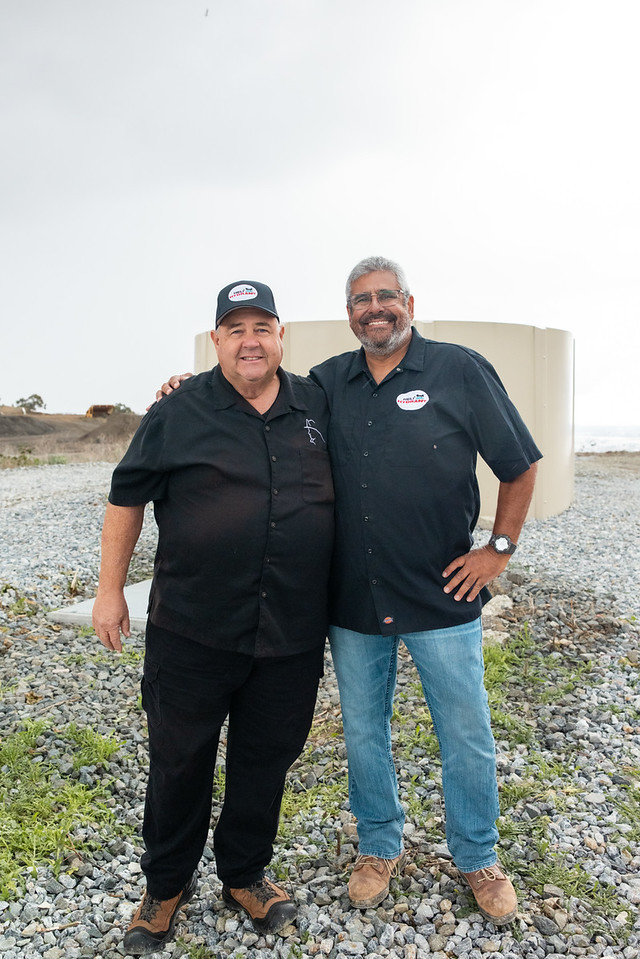
A Lifelong Passion for Firefighting
Growing up in Fullerton, California, Mark regularly watched wildfires burn across the surrounding foothills. He remembers listening to radio reports about the firefighters battling those blazes and being fascinated that people could actually fight fire.
In the summer of 1977, at just 17 years old, he joined a brush clearance crew working for what is now CAL FIRE. That same summer, he was brought in to help fight the Marble Cone Fire, an experience that would shape the rest of his life.
"After that, I fell in love with being a firefighter and never looked back."
Over the next four decades, Mark witnessed changes in firefighting equipment, technology, and emergency response. Those experiences also shaped his approach to problem-solving. "We tend to reinvent the wheel and sometimes fail to learn the lessons that history teaches," he explains.
That willingness to question established practices would eventually lead to one of his most important ideas.
The Moment That Sparked Heli-Hydrant
During the 2010 Crown Fire, Mark was working to stop flames from crossing a ridge when the fire advanced beyond their position. A helicopter supporting the operation had to leave to replenish its water supply, even though Mark was standing beside a storage tank containing approximately one million gallons of water.
"I realized that we had not done the important work of figuring out a way to connect the water that was already there with the helicopters we were depending on."
Mark began considering how existing water infrastructure could better support aerial firefighting. The idea was straightforward: if firefighters on the ground have hydrants, why couldn't helicopters have something similar?
"A Heli-Hydrant is exactly what it sounds like, a fire hydrant for helicopters."
Heli-Hydrant provides strategically located water access points that allow helicopters to refill closer to active fires. The system is designed so pilots can collect water without assistance from ground personnel, allowing firefighters to remain focused on the fire line while helicopters spend less time traveling between water sources and firefighting operations.
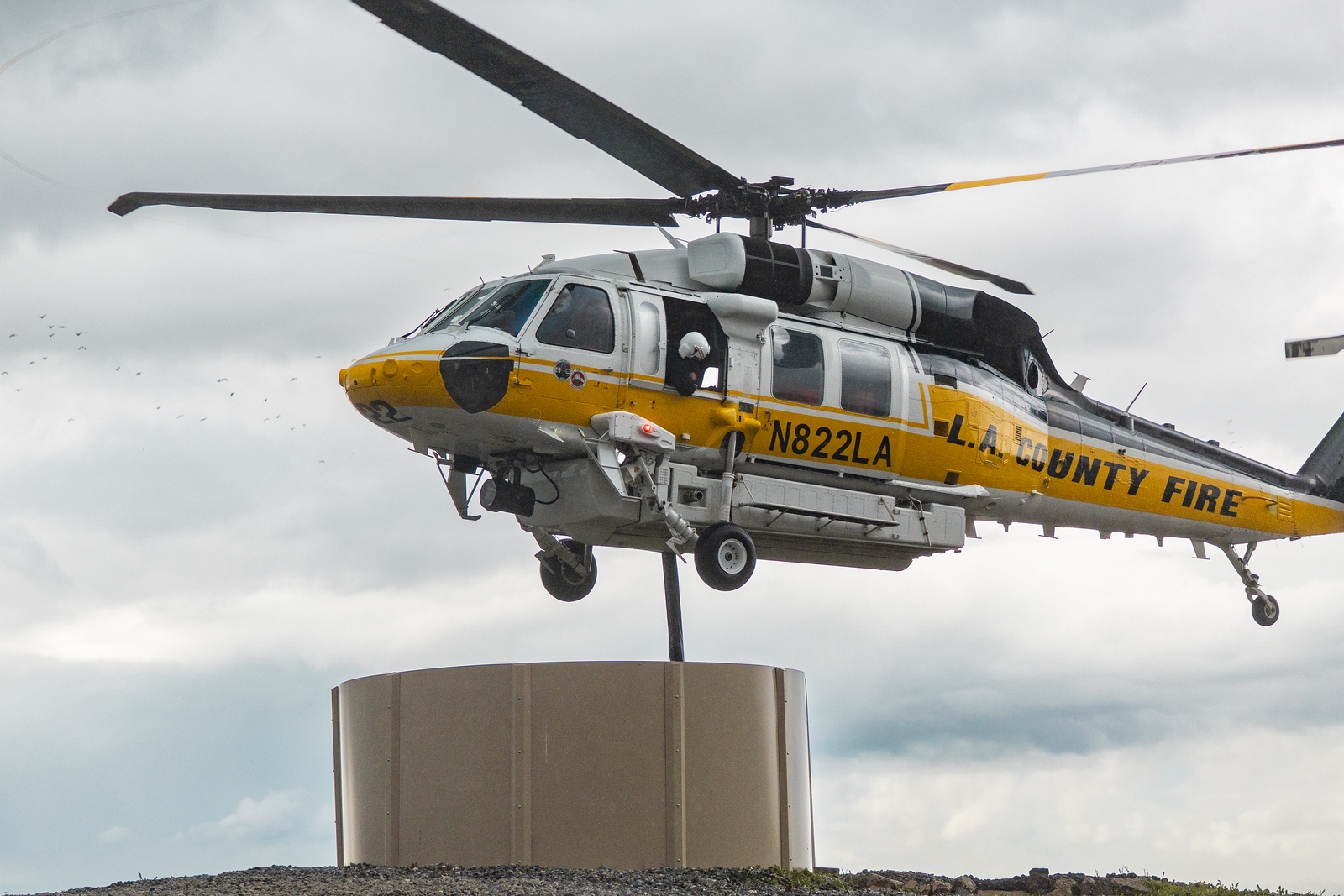
The concept was simple, but bringing it to life required years of work, collaboration, and persistence. Mark faced skepticism along the way and had to navigate the demanding regulations associated with drinking water systems while keeping the design practical for helicopter pilots.
"Every new idea faces criticism, especially in the fire service. But that scrutiny helps make ideas better if you are willing to be humble enough to take the criticism and work the idea over and over."
Mark credits hundreds of people from different industries and disciplines who contributed their knowledge and helped turn Heli-Hydrant from an idea into an operational system.
Seeing the Difference in Action
For Mark, a defining moment came during the Garden Fire in November 2024, when flames threatened homes in California. A Heli-Hydrant located approximately four miles from the advancing fire gave helicopters a nearby water source, allowing them to make repeated drops with shorter turnaround times.
No structures were lost, and Mark saw the system demonstrate exactly what he had envisioned years earlier.
Another example came during the 2025 Lemon Fire in Cabazon, California, where a network of Heli-Hydrants supported aerial firefighting operations. The fire was contained to approximately 14 acres, demonstrating how nearby water access can support a rapid response.
The Association of California Water Agencies highlighted the incident in its article, Aerial Firefighting System Stops Fire in Cabazon at 14 Acres.
For Mark, these incidents reinforced the importance of having water available where firefighters need it and showed how strategically located systems could become part of a community's broader wildfire preparedness efforts.
Looking Ahead: A New Approach to Wildfire Preparedness
Mark's vision for Heli-Hydrant extends beyond the installations already operating. He believes the technology could eventually become as familiar as the traditional fire hydrants found along neighborhood streets.
"Heli-Hydrants can become as common as street fire hydrants and be available to defend communities wherever they are needed, if community leaders can see the impact the Heli-Hydrants can make."
For municipalities, water districts, and public safety officials, Heli-Hydrant offers an opportunity to look at existing infrastructure differently. Communities already invest in water storage, distribution systems, and emergency preparedness. Mark's work raises an important question: Could some of those resources be used more effectively to support aerial firefighting?
It's a conversation that brings together water professionals, emergency managers, firefighters, and local leaders, all working toward the same goal of protecting their communities.
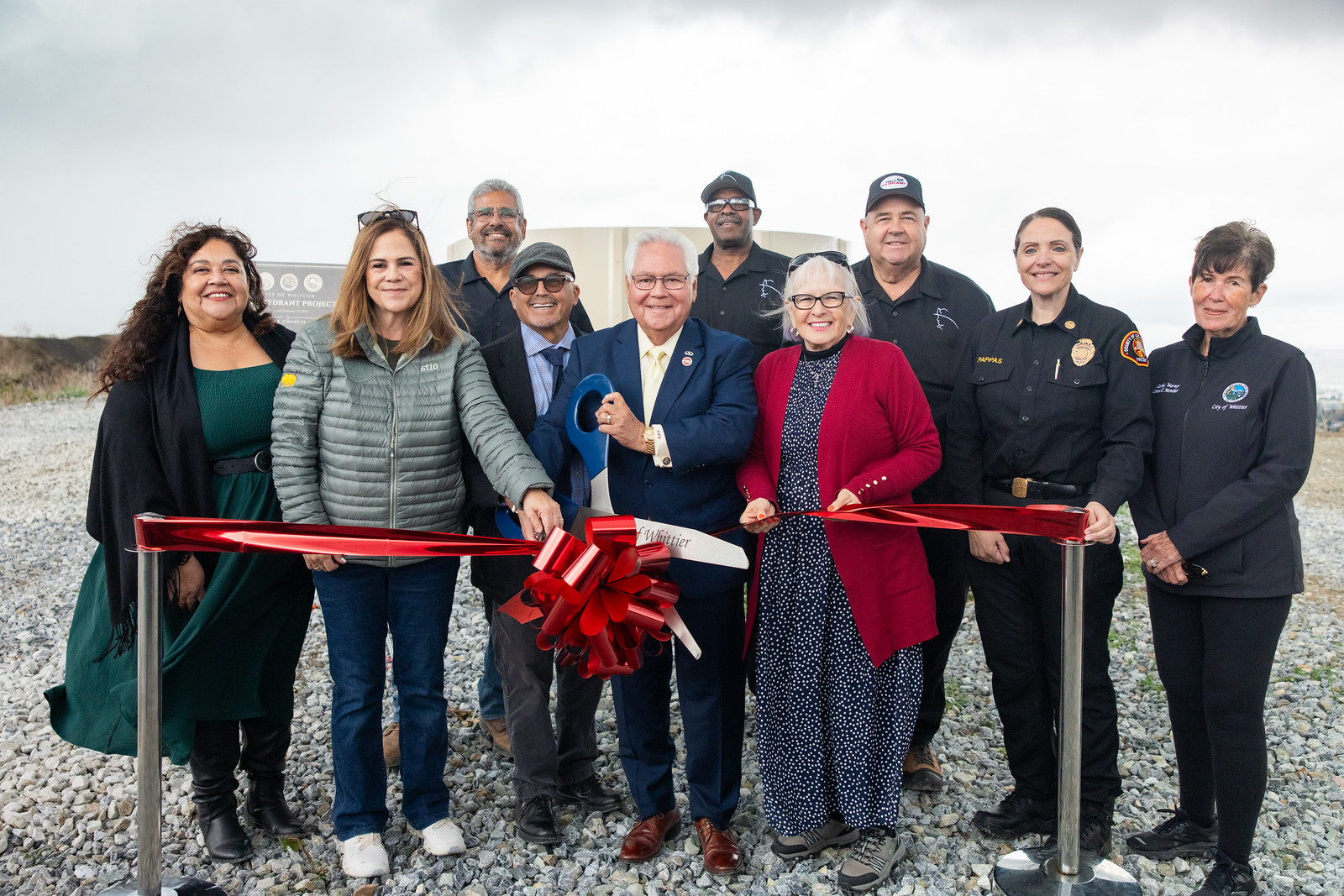
The Advice Behind the Innovation
When asked what advice he would give someone with an idea for solving a problem, Mark's response reflected the persistence that helped bring Heli-Hydrant to life.
"Recognize that your new innovative idea will probably not be 'warmly received.' Use that criticism to hone the idea and rework. Do the hard work of being ruthless with yourself and your idea. Be honest about what you know and what you don't."
He encourages innovators to seek input from people they trust, listen to honest feedback, and remain willing to make changes. Perhaps his most important advice is to recognize that setbacks are part of the process.
"Always remember that inventing is a series of failures that, if you learn from, will lead to success."
Why Mark Whaling Is a Trailblazer
At Capital Strategic Solutions, we work with people who dedicate their careers to serving communities, and we've seen how often the best ideas come from those closest to the challenges. They're the ones who recognize where systems fall short and are willing to ask whether there's a better way.
Mark Whaling is a great example. He didn't set out to become an inventor. He was a firefighter who saw a problem, believed there was a solution, and put in the work to make it happen. Along the way, he listened, learned, accepted criticism, and brought together people with the expertise needed to turn his idea into reality.
Today, Heli-Hydrant is helping demonstrate how practical innovation can strengthen wildfire response and community preparedness.
And to think, it all started with one firefighter standing beside a million-gallon water tank and asking why there wasn't a better way.
That's what being a Trailblazer is all about.
About the Series: Trailblazers at Capital Strategic Solutions
Capital Strategic Solutions' Trailblazer Spotlight Series celebrates individuals who challenge conventional thinking, bring fresh ideas to longstanding problems, and make a meaningful difference in the communities they serve.