
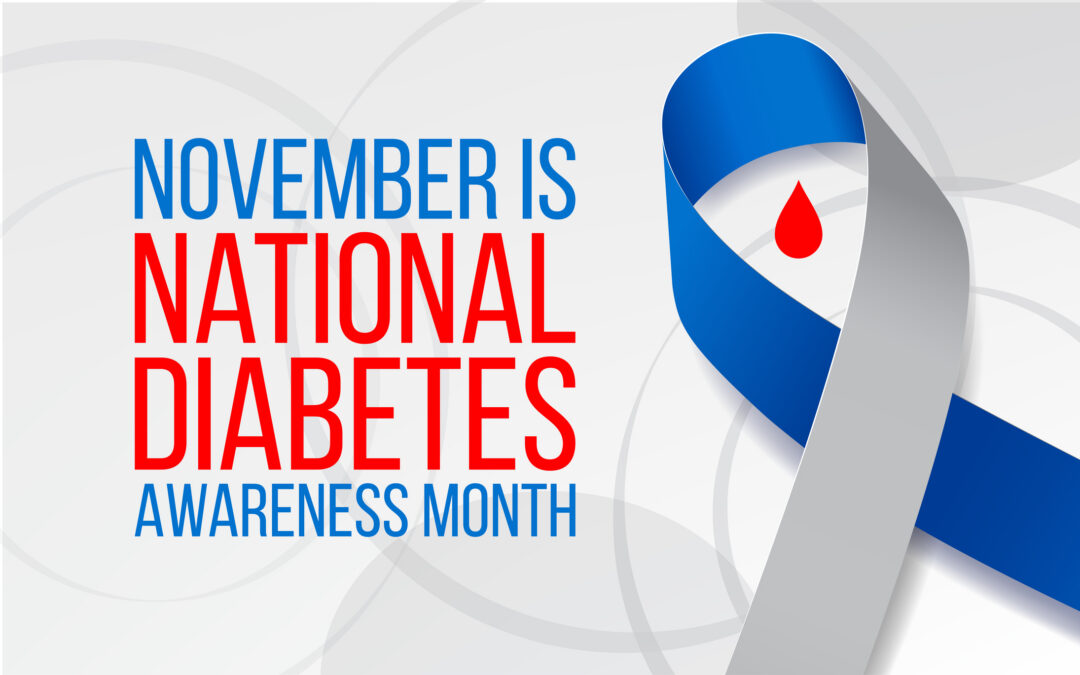
November is National Diabetes Month, a time to raise awareness, encourage healthy habits, and recognize the importance of diabetes prevention and management. It is also an opportunity to reflect on how our health impacts not only our individual lives, but the families, workplaces, and communities that depend on us.
Read Michael Thompson’s story about the warning signs his dad recognized, and the Type 1 diabetes diagnosis he received the day before he was set to move into college.
My Story
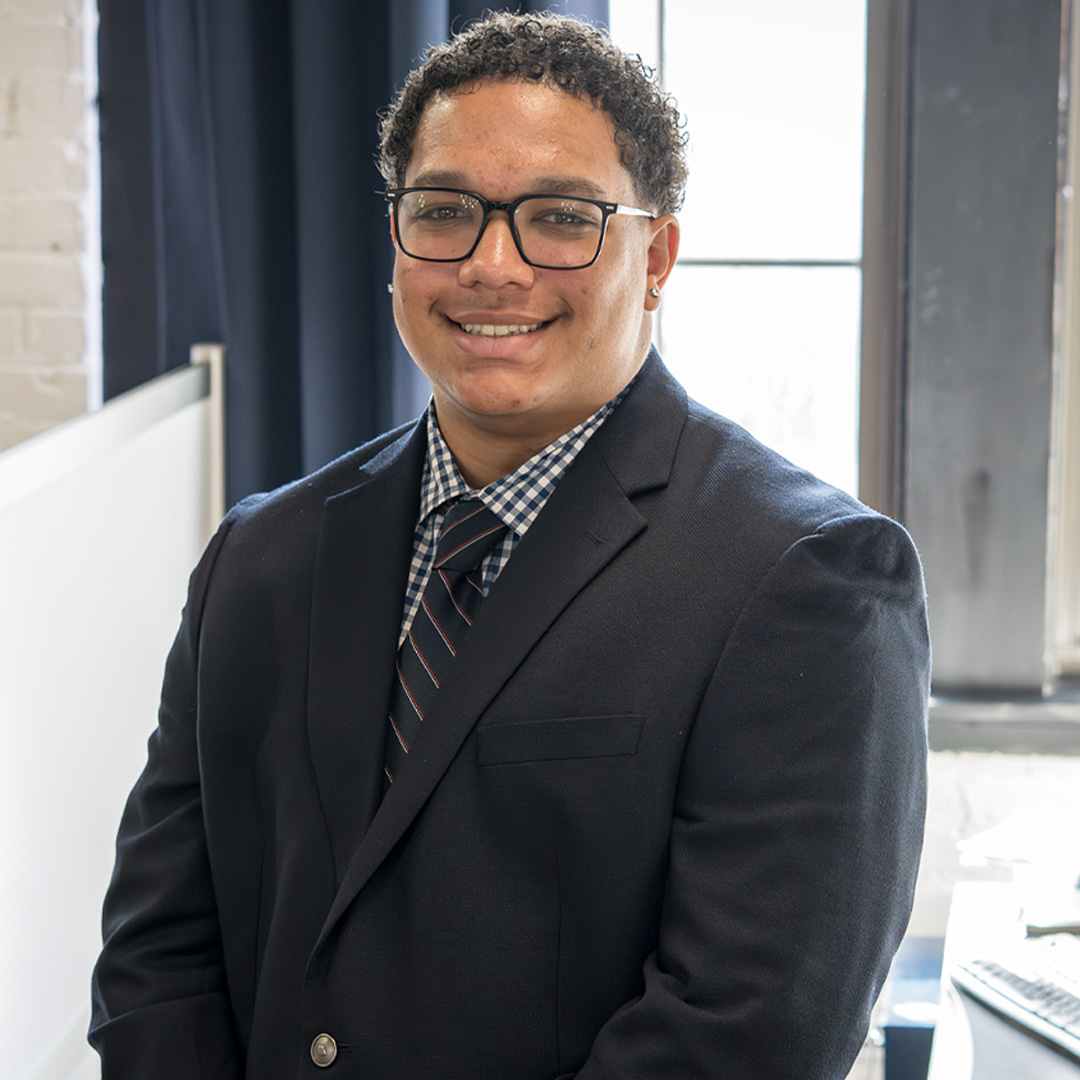
Michael ThompsonProject Intern
At 18 years old, I was packing my bags and preparing for one of the biggest milestones of my life: moving into college. What I didn't know was that my life was about to change in a way I never expected.
For a week, I had been experiencing constant thirst and frequent urination, symptoms I brushed off as nothing serious, but my dad, who lives with Type 2 diabetes, recognized the warning signs and urged me to see a doctor.
Just one day before moving into college, I received news that would change my life forever.
At 18 years old, I was diagnosed with Type 1 diabetes.
While learning to live with Type 1 diabetes came with challenges, I refused to let my diagnosis define me or stand in the way of the future I had worked so hard for.
When Our Health Takes a Back Seat
Diabetes affects millions of Americans, and many people living with the condition may not recognize the warning signs right away. With busy schedules, demanding careers, and everyday responsibilities, it can be easy to put our health on the back burner. We often overlook small changes in how we feel, assuming they are simply the result of stress, exhaustion, or getting older, but understanding our bodies and recognizing potential warning signs can make a meaningful difference.
National Diabetes Month reminds us that awareness, education, and proactive health choices are important steps toward healthier lives.
The Signs Are Not Always Obvious
Diabetes can develop gradually, and symptoms are not always immediately noticeable. In fact, some individuals with type 2 diabetes experience few or no symptoms, making regular screenings especially important.
Common warning signs may include:
- Increased thirst or frequent urination
- Unexplained fatigue or weakness
- Blurred vision
- Unexplained weight loss
- Slow-healing cuts or wounds
- Frequent infections
- Tingling or numbness in the hands or feet
Recognizing these symptoms and discussing concerns with a healthcare professional can help support earlier diagnosis and treatment. Awareness is not about creating fear. It is about giving ourselves and those around us the knowledge to make informed decisions about our health.
Small Habits Can Make a Lasting Difference
In our professional and personal lives, it is easy to prioritize responsibilities over our own well-being. Deadlines are real. Expectations are high. Families and communities depend on us, but taking care of our health should never be considered an afterthought.
Simple lifestyle choices, such as staying physically active, maintaining balanced nutrition, getting adequate sleep, and attending routine medical appointments, can help lower the risk of developing type 2 diabetes. For individuals already living with diabetes, consistent care, healthy habits, and appropriate medical support are essential parts of managing the condition.
Taking care of ourselves does not mean stepping away from our responsibilities. It means building healthier, more sustainable ways to live, work, and serve our communities.
National Diabetes Month: Awareness Leads to Action
Throughout November, National Diabetes Month encourages individuals, families, and organizations to learn more about diabetes and support those affected by it.
This month is an opportunity to start meaningful conversations about prevention, early detection, and the importance of accessible healthcare and education.
As you reflect on National Diabetes Month, consider asking yourself:
When was the last time I prioritized my health?
Am I aware of my risk factors?
How can I encourage healthier habits within my family, workplace, or community?
Sometimes, the smallest actions can create the greatest impact.
Healthy people are the foundation of strong communities
At Capital Strategic Solutions, we dedicate our work to helping communities strengthen their systems, organizations, and leadership. We recognize that strong communities are built not only through effective planning and collaboration, but also through the health and well-being of the people who make them thrive.
This November, take a moment to learn about diabetes, encourage someone you care about to prioritize their health, and make small choices that support long-term well-being.
Spread awareness. Support one another. Take action. Most importantly, remember that investing in your health is an investment in your future and the communities around you.